Why immersive angles dominate advertising in 2026
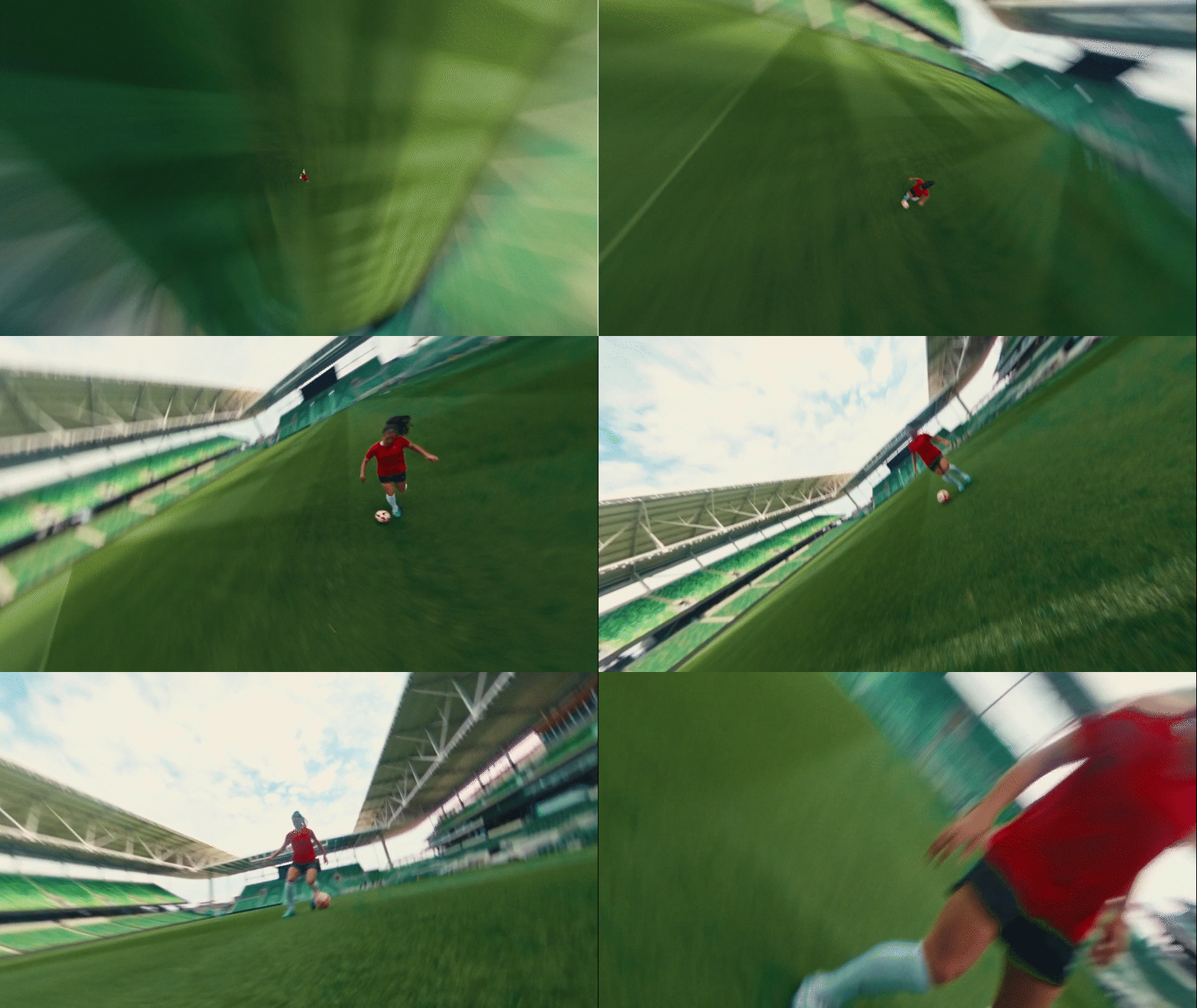
Among the most striking movements, the first thing we notice is the rise of bolder visual perspectives. FPV drones, onboard cameras, and unusual angles are not only used to create a spectacular effect: above all, they make it possible to renew the way stories are told. When used well, these viewpoints give the audience the feeling of experiencing the scene from the inside.
Documentary aesthetics make brands more credible
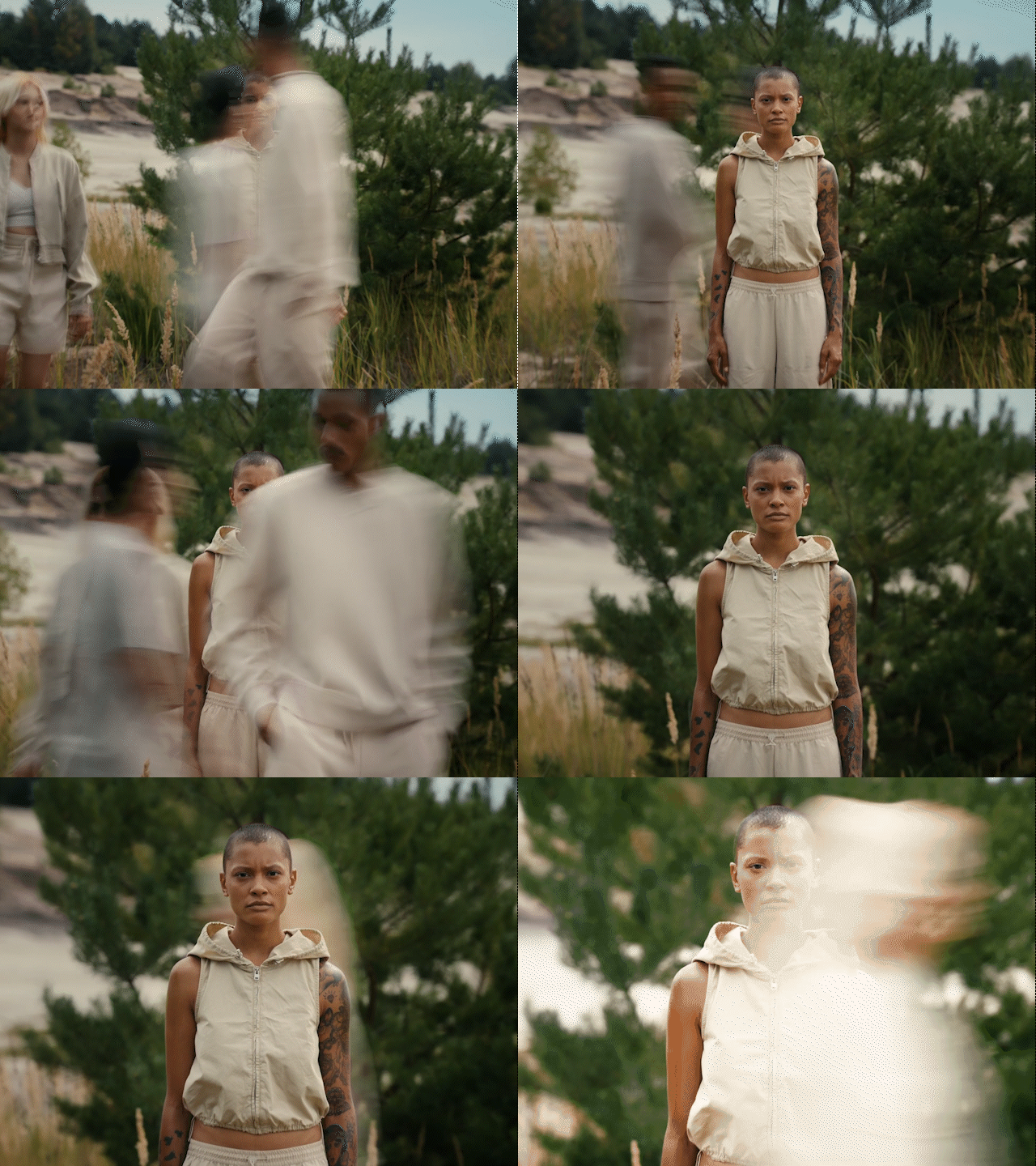
In contrast to this search for movement and intensity, another trend is asserting itself very strongly: documentary aesthetics. More and more brands are choosing narratives that seem less constructed, less “advertising” in the traditional sense of the word, and more grounded in reality. This visual language works because it creates a sense of closeness. It suggests that the brand understands people, observes reality, and is willing to show something less polished, but often more human.
The long take restores weight to staging
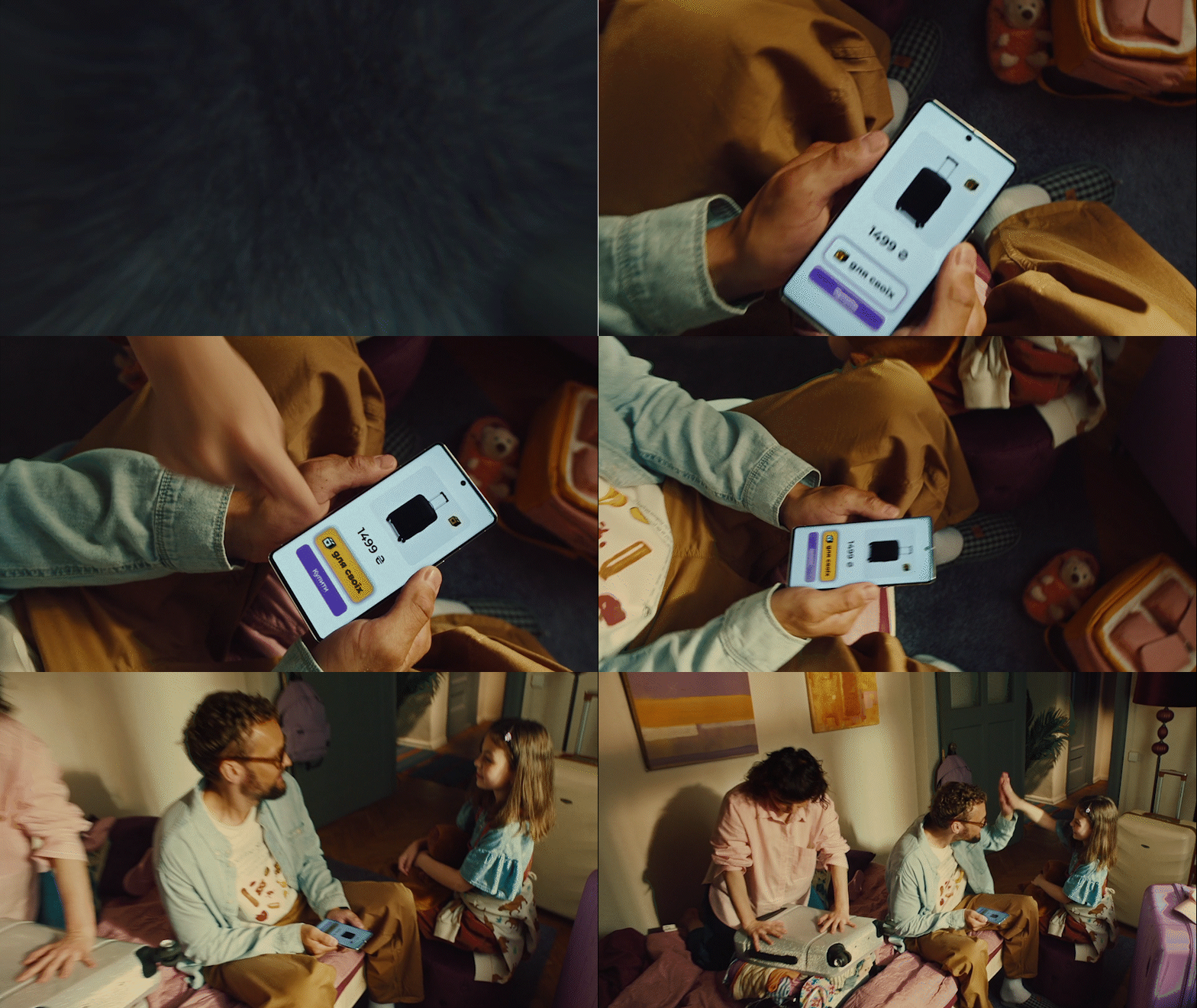
The long take is also making a strong comeback, and that is no coincidence. In a world saturated with content edited at full speed, watching an action unfold without an apparent cut captures attention in a different way. There is a continuity in this type of filmmaking that creates tension, but also a certain elegance. When it is well executed, the long take does not just give the story fluidity: it gives weight to the staging.
Strong colours make a brand more memorable
This same desire to leave an impression on the imagination can be seen in the use of brighter, more saturated colours. In 2025, there is a clear desire to build stronger, more memorable, almost more signature visual worlds. Colour is no longer used only to “beautify” an image: it becomes a tool of distinction.
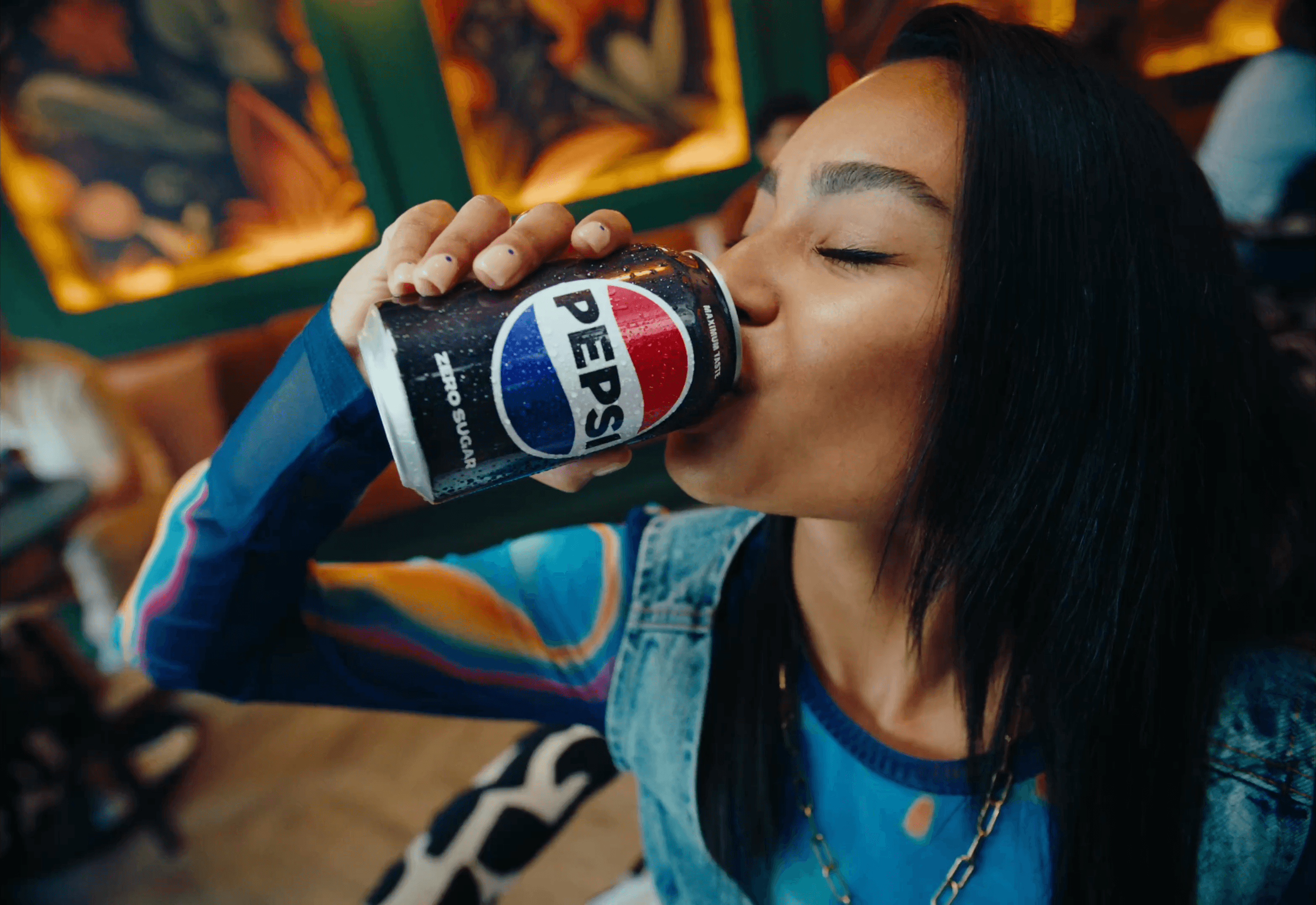
Abstract textures create more emotion and depth
Abstract textures follow the same logic, but in a more sensory register. Coloured liquids, organic shapes, material effects, or almost microscopic images: these visual treatments are gaining ground because they open up a more evocative space. They do not always tell a story literally, but they suggest one. They create a feeling, an atmosphere, a visual tension that enriches the narrative.
Calmer narratives respond to digital fatigue
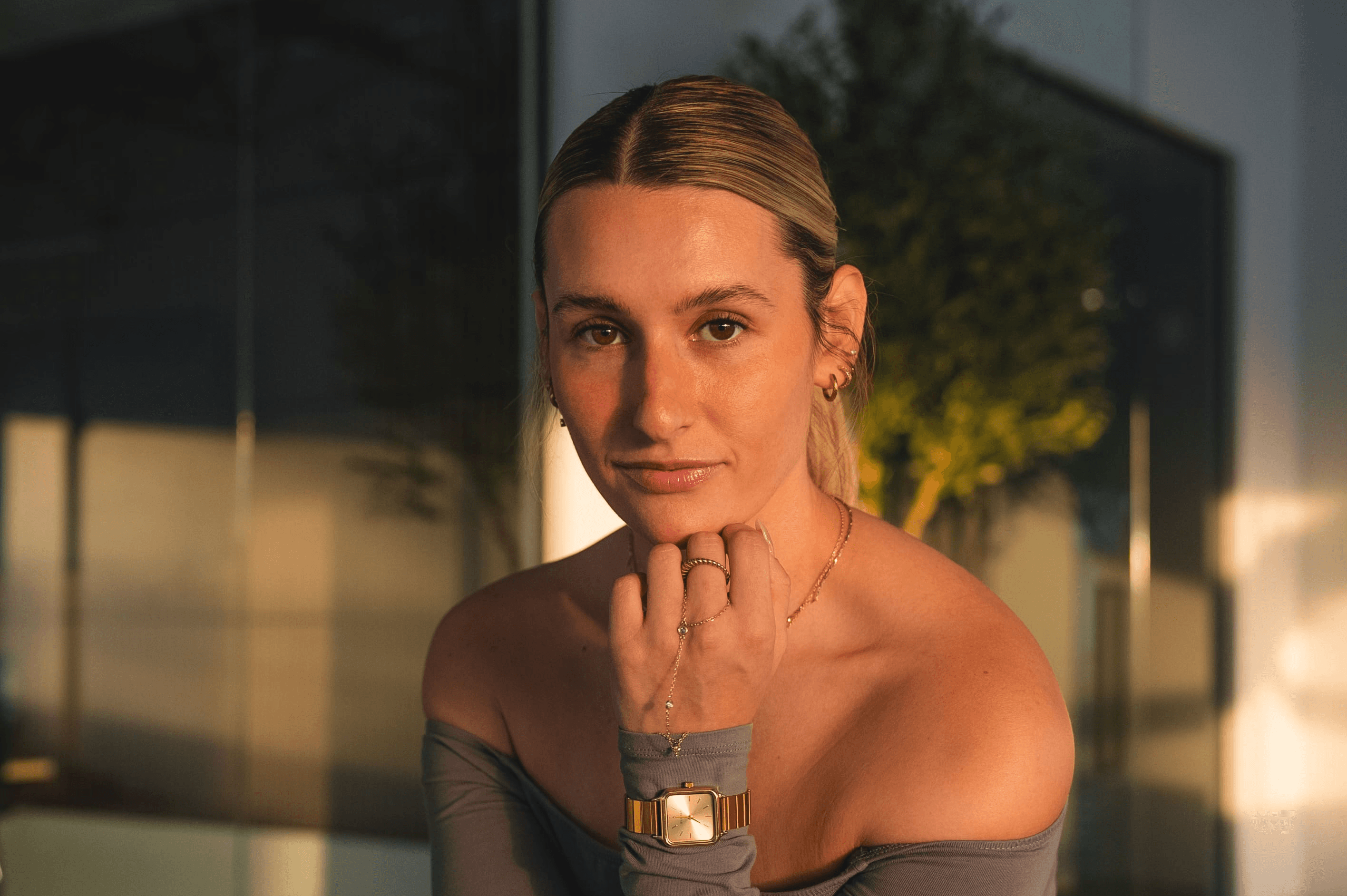
Finally, we are also seeing a rise in calmer, more grounded narratives that are less disconnected from digital overstimulation. Lifestyles centred on nature, slowness, human connection, and a return to essentials are taking up a growing place in the advertising imagination. This trend reflects a broader context: audiences are tired of constant speed, overload, and the ever-present screen.
All these trends have one thing in common: making more of an impact
What makes these trends interesting is not only their popularity, but what they have in common. They all reflect the same ambition: to move away from overly predictable advertising and return to visual experiences that leave a stronger impression. Some do it through immersion, others through authenticity, and still others through stylization or restraint.
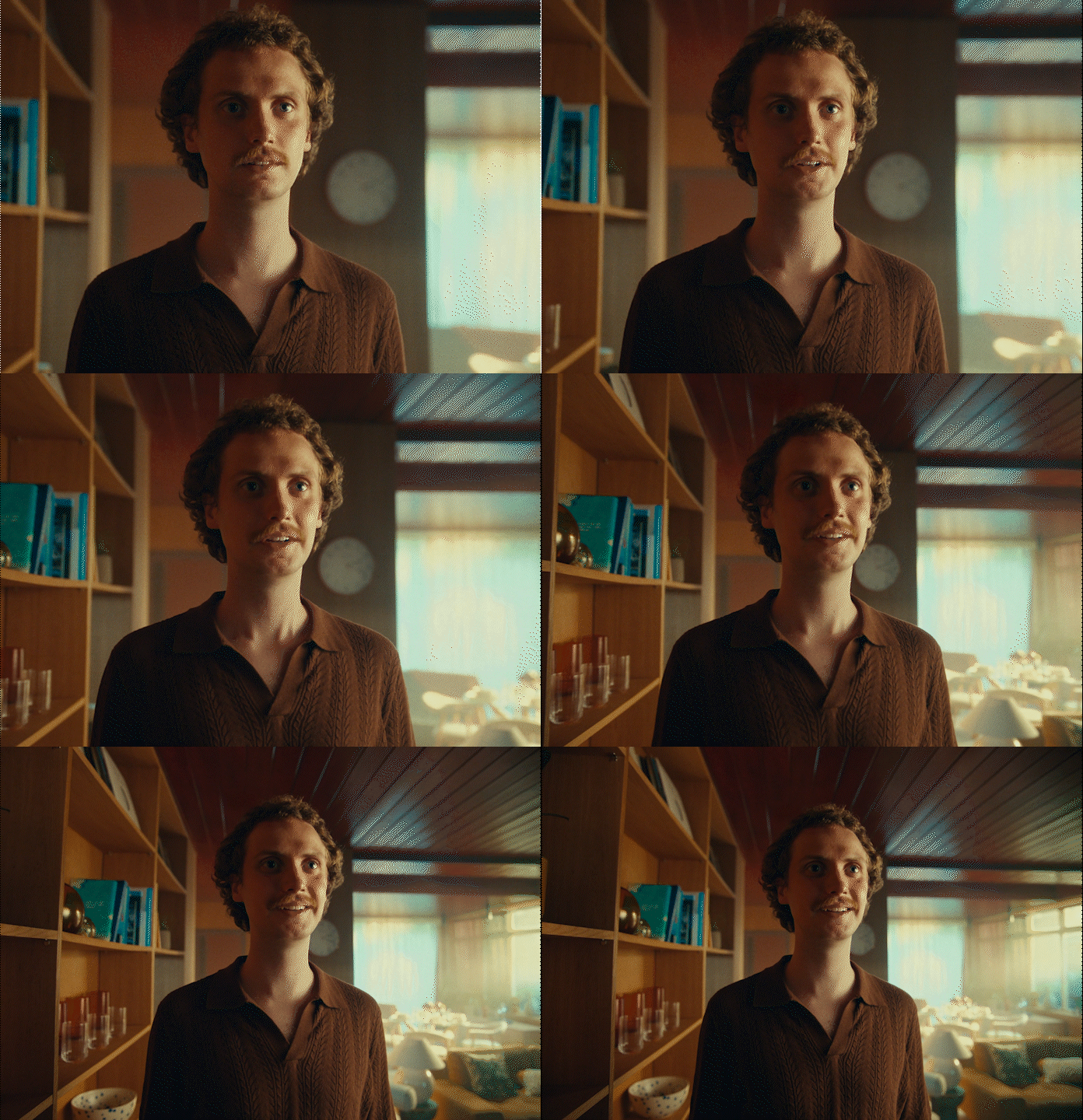
Today, form reinforces the idea as much as the message itself
Ultimately, what these trends remind us is that good advertising does not rely only on a good idea. It also depends on the way that idea takes shape on screen. And as markets become more competitive, that form matters even more in making a brand feel more relevant, more distinctive, and more memorable.
In 2026, execution becomes a real differentiator in a campaign or production.

Let's stay in touch.
Learn more about high-performance web design. Follow us on Instagram.