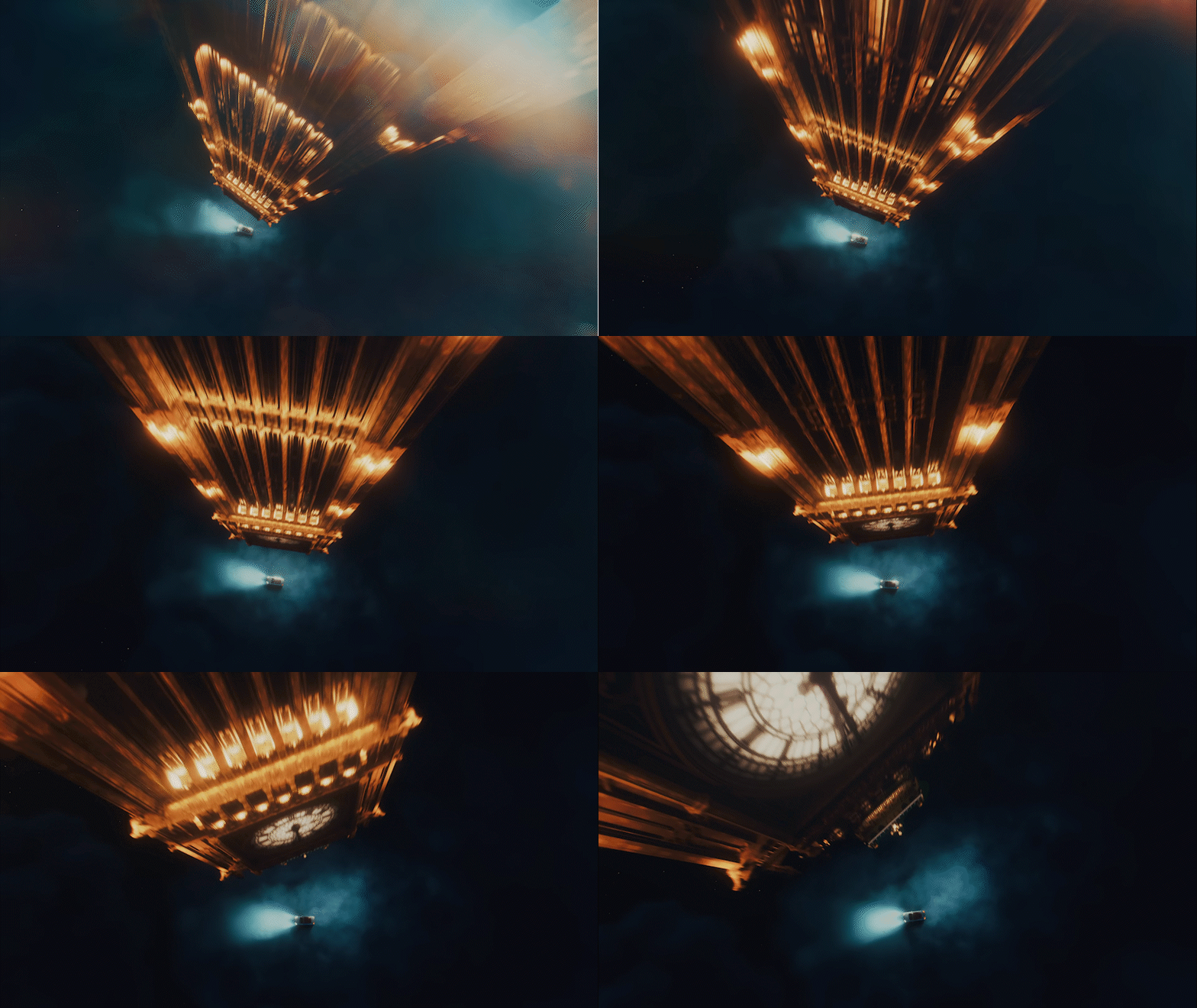
Traditional drone vs. FPV drone
The traditional drone is used to create wide, stable, and descriptive shots. It establishes context, reveals, and gives an overview.
The FPV drone (first person view) flies through, around, follows, and dives. It creates movements that a traditional drone cannot do with the same freedom. That difference immediately changes the look and feel.
Although it is more dynamic and stands out from the traditional drone, it requires a more advanced level of piloting and much more practice. Why? Because of its fully manual control. Unlike its competitor, which is considered a smart drone with built-in piloting tools.
FPV makes it possible to create standout shots
Today, many productions use the same visual language: clean ground-level shots, classic aerial views, efficient editing, but predictable.
FPV makes it possible to find rarer, more dynamic, more striking angles. It helps a production grab attention faster, simply because it doesn’t look like what you see everywhere.
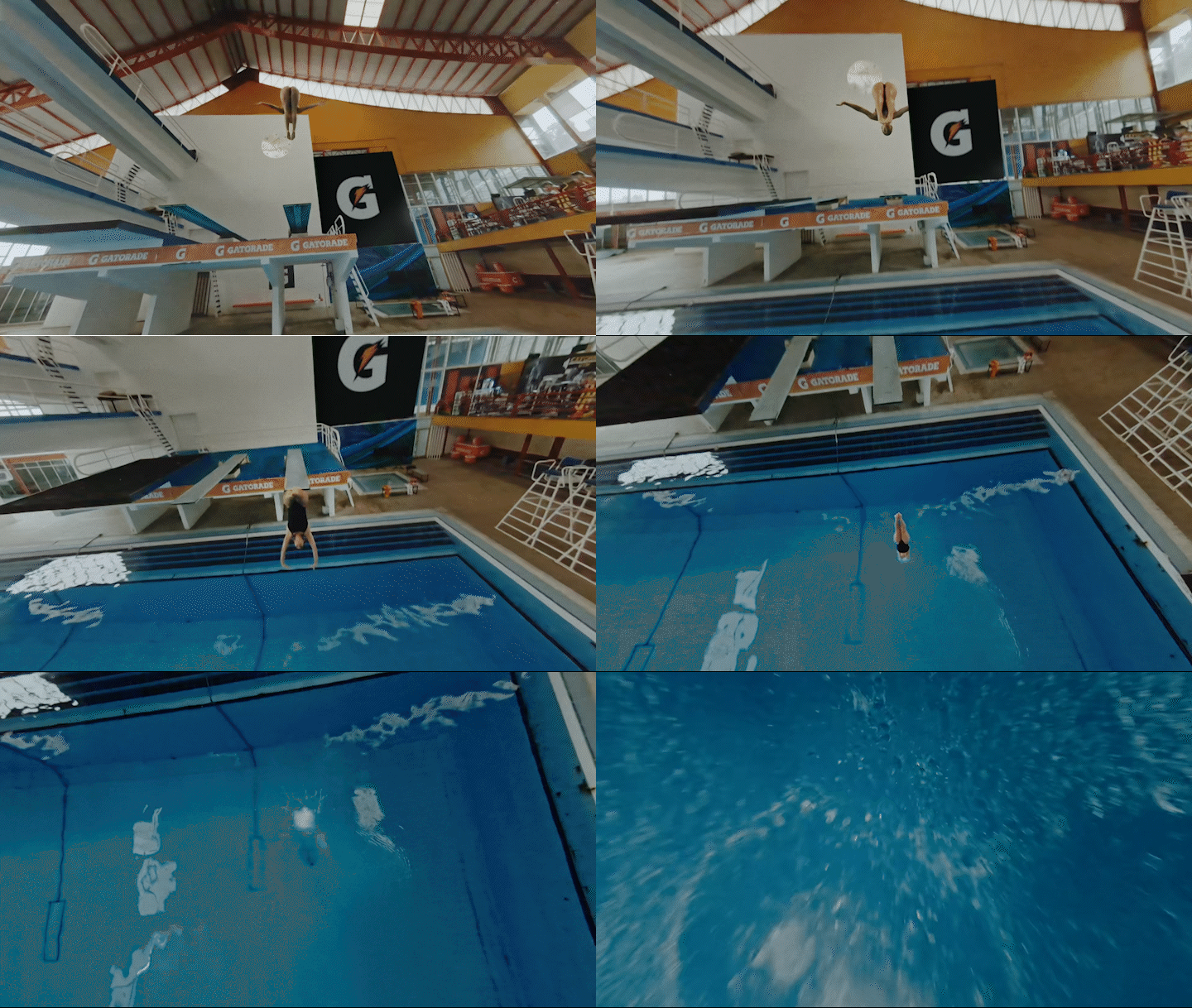
The image becomes more immersive
A classic aerial shot shows an environment.
An FPV shot gives more the impression of flying through it. That sense of proximity changes everything. It makes a hotel feel more alive, a business more fluid, an event more energetic, a building more impressive.
The result is not only more spectacular. It is more engaging.
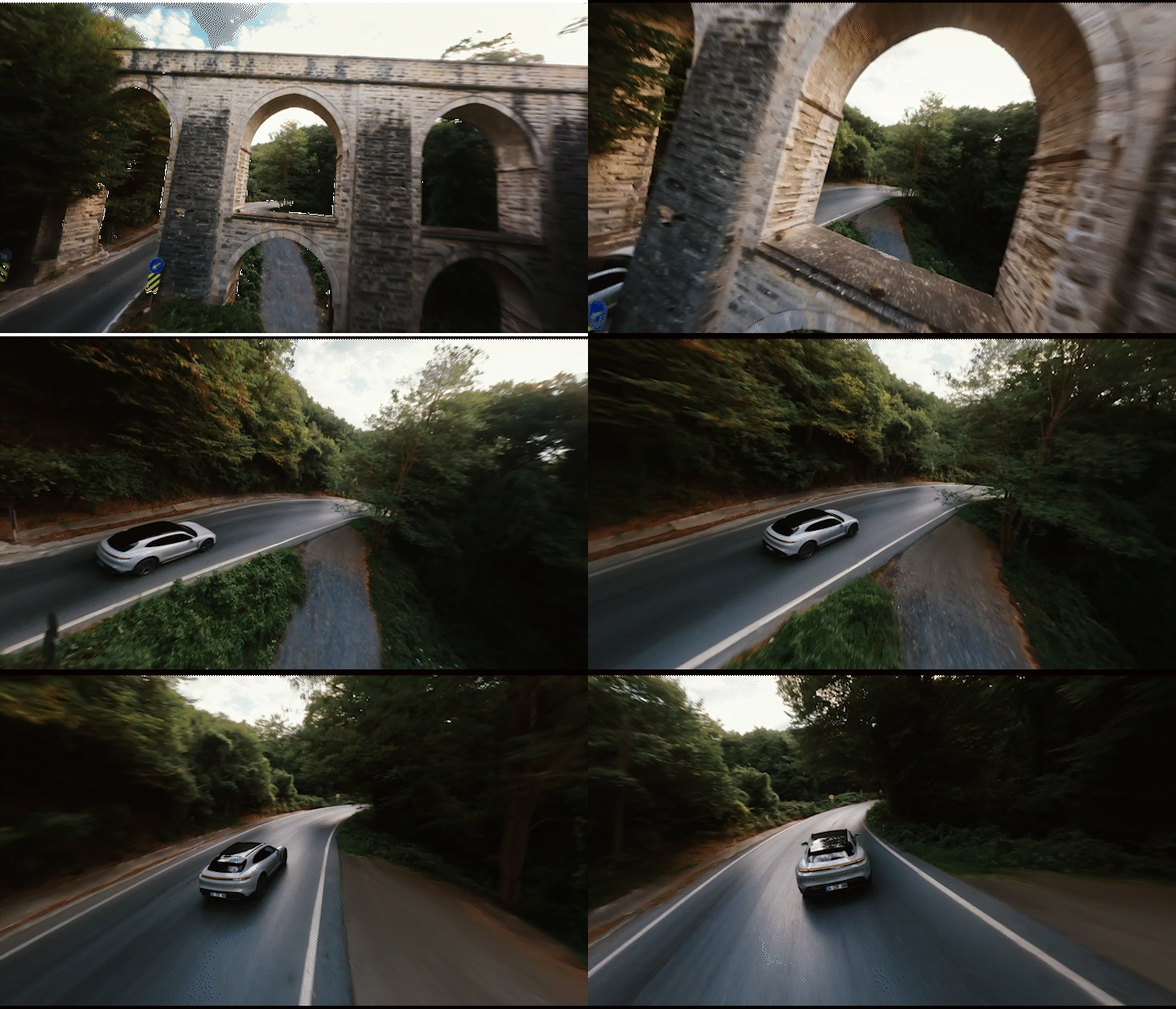
Major productions have already adopted it
FPV is no longer a niche tool. It has already found its place in mainstream, sports, and commercial productions.
Netflix notably used it in Red Notice, with FPV sequences designed to make the action more immersive. Red Bull regularly uses it in its content to follow speed, terrain, and movement with an intensity that a more traditional camera struggles to capture.
It is also used in automotive and sports brand content such as Nissan and the NFL. The 2026 Milan Cortina Olympic Games have also integrated FPV drones into television coverage to follow ski, bobsleigh, and several other athletes.
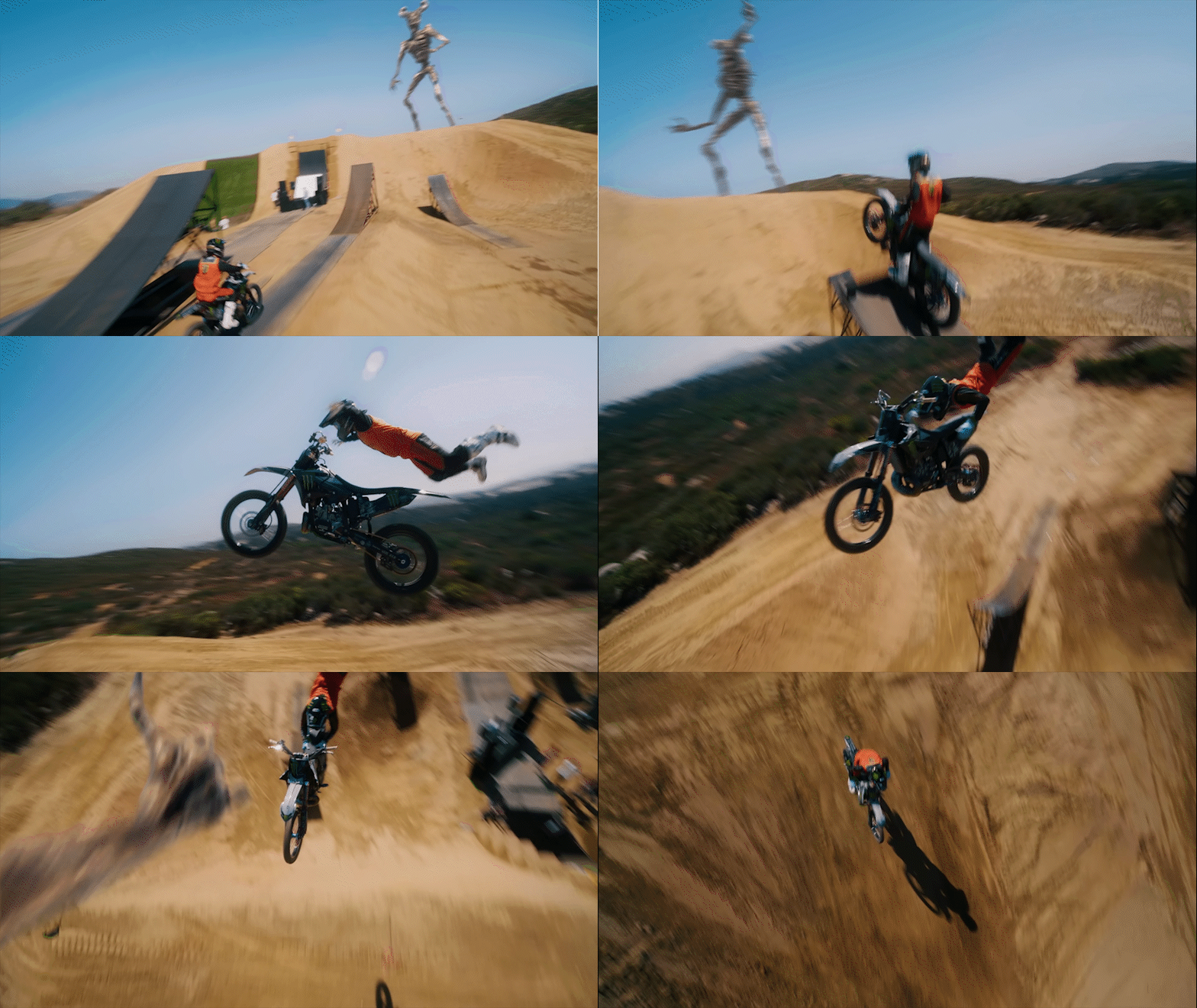
It is one of the best tools for long takes
FPV is particularly strong when you need to create continuous movement.
Entering a location, following an action, moving from one space to another, exiting without cutting: this kind of shot immediately adds more pace and more perceived value to a production. When it is well executed, it captures attention without feeling forced.

There are several types of FPV for different needs
A small FPV drone can fly indoors, pass through windows, move through tight spaces, and get shots that would otherwise be impossible.
A mid-sized FPV drone can follow moving subjects with more speed and agility.
A larger FPV drone can carry a cinema camera and fit into much more ambitious productions.
In short
The traditional drone remains useful for capturing a place with clarity and stability.
FPV adds what a classic drone rarely brings: more movement, more immersion, more perspective, and shots that are much less interchangeable.
When the goal is to increase the perceived quality of a production and move beyond the usual visual codes, FPV becomes a real advantage for filmmaking.
FPV is no longer a niche tool. It has already found its place in mainstream, sports, and commercial productions.
Let's stay in touch.
Learn more about high-performance web design. Follow us on Instagram.